Navigating FDA Regulations in Cosmetic Contract Manufacturing
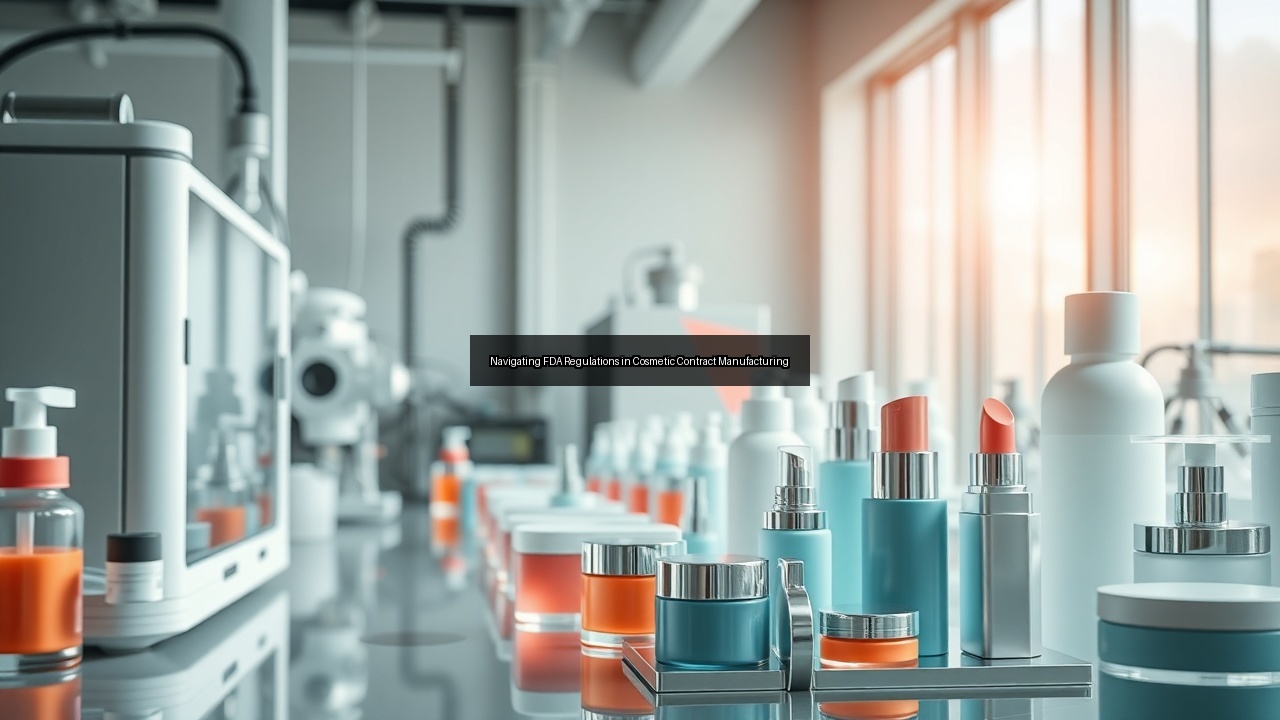
Understanding FDA Regulations for Cosmetic Products
Overview of FDA Regulations
The U.S. Food and Drug Administration (FDA) oversees the regulation of cosmetic products to ensure consumer safety. The FDA defines cosmetics broadly, encompassing a variety of items ranging from skincare products to makeup. Unlike pharmaceuticals, cosmetics do not require pre-market approval by the FDA, but they must comply with specific regulations governing their formulation, labeling, and marketing. Manufacturers must ensure that their products are safe for use and that labeling is truthful and not misleading. Understanding these regulations is crucial for any business involved in contract manufacturing cosmetics, as non-compliance can lead to severe legal repercussions and damage to reputation.
Key Requirements for Skincare and Makeup Products
When developing skincare and makeup products, contract manufacturers must adhere to several key requirements. Ingredients must be safe and conform to FDA standards. Certain ingredients, such as color additives, require certification from the FDA before being used in cosmetic formulations. Labeling is another critical area; it must list all ingredients in descending order of predominance and include necessary warnings and usage instructions. Moreover, any claims made on the packaging must be substantiated, particularly if they imply health benefits. This rigorous adherence to guidelines ensures that cosmetic products are safe and effective while maintaining consumer trust.
Importance of Compliance in Contract Manufacturing
Compliance with FDA regulations significantly impacts the success of contract manufacturing in the cosmetics industry. Manufacturers that prioritize adherence to regulatory standards build credibility with brands and consumers alike. Non-compliance can lead to product recalls, fines, or even bans on selling certain items. Additionally, maintaining conformity with regulations fosters a culture of quality and safety within the production environment. Brands can confidently market their products, knowing they comply with the law. Ultimately, choosing a contract manufacturing partner that emphasizes regulatory compliance is essential for ensuring the longevity and success of cosmetic products in a competitive market.
Choosing the Right Contract Manufacturing Partner
Factors to Consider When Selecting a Manufacturer
Selecting the right contract manufacturing partner for cosmetics involves careful consideration of several factors. First, evaluate the manufacturer’s experience and expertise in producing skincare and makeup products. A reputable manufacturer should have a proven track record of successful launches and a deep understanding of regulatory compliance. Assess their capabilities in terms of production capacity, technology, and quality control processes. It is also vital to examine their flexibility in adapting to changing market demands and trends. Strong communication and collaboration practices are essential for maintaining a productive partnership, ensuring that both parties are aligned in their goals and expectations.
Evaluating Capabilities in Skincare and Cosmetic Production
Assessing a contract manufacturer's capabilities in skincare and cosmetic production can significantly influence the quality of the final product. Look for manufacturers equipped with state-of-the-art technology that supports efficient production processes. Automation plays a crucial role in enhancing quality and consistency, reducing human error while accelerating production timelines. Additionally, consider their ability to handle various formulations, including organic, natural, and cosmeceuticals, which are gaining popularity. The manufacturer should also possess robust quality assurance protocols to ensure that every batch meets established standards. Ultimately, a capable partner can bring innovative solutions to the table, enhancing the overall product offering.
The Role of Automation in Enhancing Manufacturing Efficiency
Automation has revolutionized the landscape of cosmetic contract manufacturing, allowing for enhanced efficiency and consistency. Automated systems streamline various stages of production, from ingredient formulation to packaging. This technology not only reduces labor costs but also minimizes the risk of contamination and human error. Additionally, automation provides manufacturers with the ability to scale production quickly, adapting to demand fluctuations without compromising quality. As consumers increasingly seek faster delivery of skincare and cosmetic products, manufacturers that leverage automation will remain competitive in this fast-paced market. Investing in automation technologies can yield significant long-term benefits, including improved profitability and market responsiveness.
Navigating the Logistics of Cosmetic Contract Manufacturing
Supply Chain Considerations for Cosmetic Products
Effective logistics and supply chain management are vital for successful cosmetic contract manufacturing. Manufacturers must establish solid relationships with suppliers to ensure that high-quality ingredients are available and delivered on time. This involves sourcing raw materials that meet FDA regulations while also being cost-effective. Companies must also consider the logistics of transportation and storage, as many ingredients require specific conditions to maintain their efficacy. Efficient supply chain management ensures that production runs smoothly, helping to meet consumer demand while keeping costs in check. By optimizing logistics, manufacturers can significantly enhance their overall operational efficiency.
The Importance of Packaging Design and Traceability
Packaging design plays a crucial role in the success of cosmetic products. Effective packaging not only attracts consumers but also serves functional purposes, such as protecting the product and providing essential information. Compliance with labeling regulations is paramount, as it affects consumer safety and brand credibility. Additionally, traceability within packaging allows manufacturers to track ingredients through the supply chain, ensuring transparency and safety. In the event of a recall, traceability simplifies the process of identifying affected products, protecting both the consumer and the brand. Therefore, investing in robust packaging solutions is essential for any cosmetic manufacturer prioritizing safety and market success.
Managing Costs and Quantities in Production
Managing costs and quantities during production is critical for profitability in contract manufacturing cosmetics. Manufacturers must strike a balance between quality and cost-effectiveness. This involves careful planning of production runs to avoid overproduction or underproduction. Effective inventory management practices can help mitigate waste and ensure that products remain fresh and effective. Additionally, analyzing market trends and consumer demand will inform better decision-making regarding quantities. By implementing cost control measures and optimizing production schedules, manufacturers can achieve better margins while maintaining high product quality.
Staying Ahead: Trends in Cosmetic Contract Manufacturing
The Rise of Cosmeceuticals in the Market
Cosmeceuticals, which blend cosmetic and pharmaceutical benefits, are gaining traction in the beauty industry. These products often contain active ingredients that claim to improve skin health, such as peptides, antioxidants, and botanical extracts. The growing consumer demand for effective skincare solutions drives the rise of cosmeceuticals. Contract manufacturers must adapt to this trend by investing in research and development to create innovative formulations that meet consumer expectations. Understanding the nuances of ingredient efficacy and safety is essential for manufacturers looking to enter this lucrative market segment.
Hybrid Manufacturing Models and Their Benefits
Hybrid manufacturing models, combining digital and traditional production methods, are becoming increasingly popular in the cosmetics sector. This approach allows for greater flexibility, enabling manufacturers to respond swiftly to market changes while maintaining quality. By leveraging advanced technologies, such as 3D printing or on-demand production, companies can minimize waste and reduce lead times. Hybrid models also support customization, allowing brands to offer personalized skincare and makeup solutions. As consumer preferences shift towards unique, tailored products, adopting a hybrid manufacturing strategy can provide a competitive edge in the cosmetics market.
Research and Development in Cosmetic Products
Research and development (R&D) play a pivotal role in the success of any cosmetic product. Manufacturers must stay ahead of beauty trends and consumer demands through continuous innovation. R&D efforts should focus on developing safer, more effective formulations that utilize cutting-edge ingredients. Conducting thorough testing and consumer trials ensures that new products meet market expectations. A strong R&D pipeline allows contract manufacturers to introduce novel offerings, ensuring they remain relevant in a fast-evolving industry. Investing in R&D not only enhances product efficacy but also helps build brand loyalty and trust with consumers seeking effective skincare and makeup solutions.
See Also
- Understanding Conformity and Compliance in Cosmetic Manufacturing
- Sustainable Practices in Cosmetic Contract Manufacturing
- Cost-Effective Strategies for Contract Manufacturing Cosmetics
- Future Trends in Skincare and Cosmetic Contract Manufacturing
- How to Scale Your Cosmetic Line with Contract Manufacturing