The Future of Steel Distribution in Aerospace Engineering
The Role of Steel in Aerospace Engineering
Importance of Steel in Aerospace Structures
Steel plays a critical role in aerospace engineering, serving as a fundamental material in the construction of aircraft and spacecraft. Its strength-to-weight ratio, durability, and versatility make it an ideal choice for various applications within the aerospace sector. Steel's ability to withstand extreme temperatures and pressures while maintaining structural integrity is essential for ensuring the safety and reliability of aerospace vehicles. From fuselages to engine components, steel provides the necessary support and resilience that modern aircraft demand. The aerospace industry relies on steel to not only meet regulatory standards but also to enhance performance and fuel efficiency.
Types of Steel Used in Aerospace
Aerospace engineers utilize several types of steel, each selected based on specific performance requirements. Stainless steel, known for its corrosion resistance, is frequently used in components exposed to harsh environments. Alloy steel, which incorporates other elements to enhance properties like toughness and strength, is vital for parts that undergo significant stress. Carbon steel also finds its place in aerospace applications, particularly in areas requiring high strength at a lower cost. Cold rolled steel is favored for its superior surface finish and tight tolerances, making it a preferred choice for precision parts. Understanding the distinct properties of these various steel types allows engineers to optimize aircraft performance and safety.
Comparison of Stainless Steel and Alloy Steel in Aerospace Applications
Choosing between stainless steel and alloy steel for aerospace applications involves evaluating the specific needs of each component. Stainless steel offers excellent corrosion resistance, making it suitable for parts exposed to moisture and environmental challenges. Its durability ensures longevity, which is a critical factor in aerospace settings. On the other hand, alloy steel brings superior strength and toughness, particularly in high-stress environments such as landing gear and engine mounts. The decision between these two materials often hinges on the operational conditions of the aircraft. Aerospace engineers must weigh factors such as weight savings, cost implications, and mechanical properties to determine the most effective steel type for each application.
Innovations in Steel Distribution Methods
Impact of Waterjet Cutting on Steel Fabrication
Waterjet cutting has revolutionized the way steel components are fabricated for the aerospace industry. This technology employs high-pressure water mixed with abrasive materials to cut through various steel types, including stainless and alloy steel, with remarkable precision. The non-thermal nature of waterjet cutting prevents heat-affected zones, maintaining the integrity of the steel while achieving intricate designs. This method reduces waste and allows for the efficient production of complex parts, significantly impacting steel distribution. Fabricators can produce components on-demand, streamlining the supply chain and reducing lead times. The adoption of waterjet cutting in steel fabrication supports the aerospace industry's need for rapid prototyping and customization, enhancing overall production efficiency.
Advancements in Steel Coil and Sheet Distribution
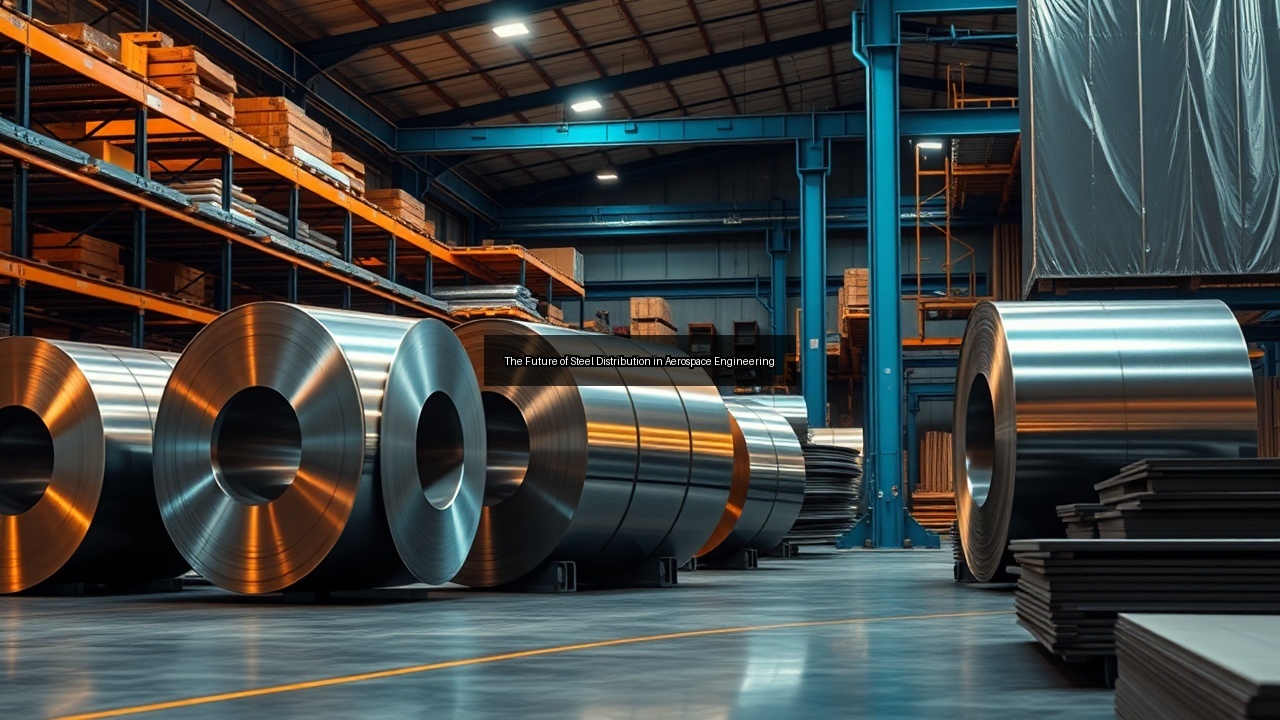
Recent advancements in steel coil and sheet distribution have transformed how manufacturers access essential materials. Distributors are now employing advanced inventory management systems and logistics strategies to ensure timely delivery and availability of steel supplies. Automation in warehousing and transportation reduces handling times and minimizes errors in orders. Additionally, innovations in packaging and shipping methods enhance the protection of steel products during transit. These improvements allow steel distributors to meet the growing demands of the aerospace sector, where precision and speed are paramount. With faster turnaround times and improved logistical capabilities, steel distribution companies can better serve aerospace manufacturers, ensuring they have the right materials when needed.
The Role of Distributors in Streamlining Supply Chains
Distributors play a pivotal role in streamlining supply chains in aerospace engineering by ensuring that steel suppliers can deliver materials efficiently. As aerospace projects often have tight deadlines, distributors coordinate between manufacturers, fabricators, and steel mills to facilitate smooth operations. They manage inventory levels, forecast demand, and maintain relationships with various steel suppliers to ensure a steady flow of materials. Moreover, distributors often act as experts in the field, providing valuable insights into material selection, compliance, and manufacturing processes. By leveraging their network and expertise, steel distributors help aerospace companies navigate the complexities of sourcing materials, thereby reducing delays and improving overall project timelines.
Challenges Facing Steel Distribution in Aerospace and Related Industries
Supply Chain Disruptions in the Steel Industry
Supply chain disruptions pose significant challenges for steel distribution in the aerospace industry. Factors such as geopolitical tensions, pandemics, and fluctuations in demand can lead to shortages and delays in steel supplies. These disruptions affect not only steel distributors but also manufacturers who rely on timely deliveries to maintain production schedules. The aerospace sector, with its specialized requirements and high standards, faces unique pressures during these disruptions. Companies must develop strategies to mitigate risks, such as diversifying their supplier base or investing in local steel production. Addressing these challenges is crucial for ensuring the continuity of aerospace operations and maintaining competitive advantage.
Environmental Considerations in Steel Production
Environmental considerations increasingly influence steel production and distribution. The steel industry is under pressure to reduce its carbon footprint and adopt sustainable practices. Aerospace companies, aware of their environmental impact, seek to partner with steel suppliers committed to sustainable practices. This shift includes utilizing recycled materials, minimizing waste, and improving energy efficiency during production. Addressing these environmental concerns not only aligns with regulatory requirements but also enhances brand reputation. Steel distribution companies that prioritize sustainability can attract aerospace clients looking for green alternatives, ultimately driving innovation in both steel production and distribution methods.
Competition from Other Materials in Aerospace Engineering
Competition from alternative materials challenges the steel industry, particularly in aerospace engineering. Composites, titanium, and advanced polymers offer lightweight and strong alternatives to steel. These materials often provide weight savings, contributing to fuel efficiency and performance improvements. As aerospace manufacturers increasingly adopt these alternatives, steel distributors must emphasize the unique advantages of steel. For example, steel's recyclability and cost-effectiveness remain compelling factors. Companies must innovate and demonstrate how steel can complement or outperform these alternatives in specific applications. By showcasing steel's benefits, the industry can maintain its relevance in an evolving aerospace landscape.
The Future Landscape of Steel Distribution Companies
Emerging Trends in Steel Supplies and Distribution
The future of steel distribution in aerospace engineering will be shaped by several emerging trends. Digital transformation stands at the forefront, with companies adopting advanced technologies such as artificial intelligence and blockchain to enhance supply chain transparency and efficiency. Automation in inventory management will streamline operations, allowing for better responsiveness to market demands. Additionally, the trend toward sustainable practices will drive steel suppliers and distributors to innovate in production methods and materials sourcing. These trends not only improve operational efficiency but also align with the aerospace industry's growing emphasis on sustainability, ensuring that steel remains a relevant material choice for future aircraft.
The Role of California-Based Companies in Global Steel Distribution
California-based companies significantly influence global steel distribution, given the state's strategic location and robust industrial base. These companies serve as vital links between domestic steel suppliers and international aerospace manufacturers. With access to advanced logistics networks and a diverse range of steel products, California distributors can effectively meet the demands of the aerospace industry. Moreover, the presence of leading aerospace companies in California fosters collaboration between steel distributors and manufacturers, facilitating innovation and efficiency. As the global aerospace market evolves, California's steel distribution firms will continue to play a critical role in shaping the industry's future.
The Integration of Technology in Steel Supply Chains
Integrating technology into steel supply chains marks a pivotal shift for distributors in the aerospace sector. Companies are leveraging data analytics to predict demand trends and optimize inventory levels. This proactive approach reduces waste and enhances responsiveness to changes in the aerospace market. Moreover, the use of cloud-based platforms facilitates real-time communication across the supply chain, improving coordination between steel suppliers, distributors, and manufacturers. Robotics and automation in warehousing further streamline operations, allowing distributors to fulfill orders more efficiently. Embracing these technological advancements positions steel distribution companies to meet the evolving needs of the aerospace industry, ensuring they remain competitive in a rapidly changing landscape.