The Science Behind Spinning Aluminum Exploring the Process and Benefits
Understanding the Basics of Spun Aluminum
What is Spun Aluminum?
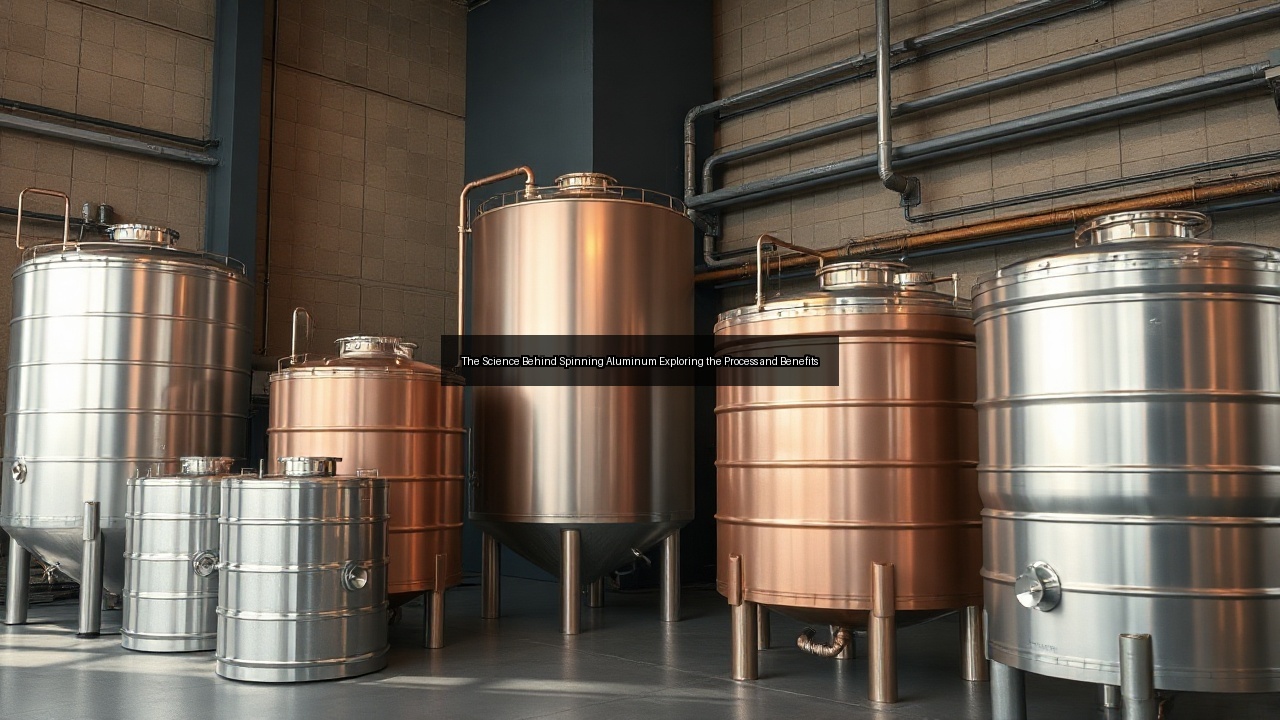
Spun aluminum forms through a precise metal spinning process that shapes flat aluminum discs into symmetrical components like cones, cylinders, and hemispheres. Manufacturers mount the disc on a spinning lathe and apply pressure with rollers or tools to force the metal over a mandrel. This technique produces seamless parts without welds or joints, delivering strength and uniform thickness. Spun aluminum appears in tanks, reflectors, and enclosures where smooth surfaces and structural integrity matter most.
The process allows tight tolerances and intricate profiles that other forming methods struggle to achieve. Operators control speed, pressure, and feed rates to maintain material integrity while achieving the desired geometry. Spun aluminum parts often replace cast or fabricated assemblies, reducing weight and assembly time in finished products.
Key Characteristics of Aluminum for Spinning
Aluminum offers excellent ductility and malleability that make it ideal for metal spinning. Its low density combined with good tensile strength allows the material to stretch and compress without cracking during high-speed rotation. Grades such as 1100, 3003, and 6061 respond well to spinning because they balance formability with post-process strength. Surface finish remains smooth after spinning, often requiring only light polishing for final appearance.
Thermal conductivity and corrosion resistance further enhance aluminum's suitability. These properties ensure spun aluminum components withstand temperature fluctuations and environmental exposure in demanding settings. Alloy selection directly influences how far the metal can be spun before work hardening occurs, guiding manufacturers toward optimal results.
Comparison with Other Metals for Spinning
Copper spins readily and provides superior electrical conductivity, yet it costs more and weighs nearly three times as much as aluminum. Steel offers higher strength but requires greater force and often needs annealing between passes to avoid tears. Brass delivers decorative appeal at the expense of higher material expense and reduced corrosion resistance compared with aluminum alloys.
Spun aluminum strikes the best balance for applications that prioritize weight savings and cost control. It outperforms heavier metals in tanks and housings where transport efficiency and fuel economy matter. Manufacturers choose aluminum over copper or steel when corrosion resistance and ease of finishing provide clear advantages without sacrificing performance.
The Metal Spinning Process Explained
Overview of Metal Spinning Techniques
Metal spinning encompasses conventional spinning, shear spinning, and tube spinning, each suited to different aluminum geometries. Conventional spinning preserves material thickness while forming the part, while shear spinning thins the wall intentionally for lighter components. CNC-controlled lathes now dominate production, delivering repeatability and complex contours that manual methods cannot match consistently.
Spinning aluminum alloys demands careful selection of mandrel materials and lubricant types to minimize friction and heat buildup. The technique supports both low-volume prototypes and high-volume runs, making it flexible across industries. Modern equipment integrates sensors that monitor force and temperature in real time, improving yield and reducing scrap rates.
Step-by-Step Guide to the Metal Spinning Process
The metal spinning process begins with cutting a precise aluminum blank and securing it against the mandrel on the spinning lathe. Operators then engage the tailstock to hold the disc firmly while the spindle rotates at controlled speeds. Forming rollers apply progressive pressure, moving the metal outward and upward along the mandrel contour in multiple passes.
Intermediate annealing steps may relieve work hardening when deeper draws are required. Final trimming, beading, or flanging operations complete the part before inspection. Quality checks verify wall thickness, roundness, and surface condition to meet specifications. This methodical sequence produces spun aluminum parts with consistent mechanical properties and minimal material waste.
Role of Spinning vs. Metal Stamping
Metal spinning excels at creating rotationally symmetric shapes without expensive dies, whereas metal stamping requires dedicated tooling for each profile. Spinning avoids the high initial costs of stamping dies and suits shorter production runs or design iterations. Stamping can achieve faster cycle times on high-volume parts but often leaves seams or requires secondary welding operations that spinning eliminates entirely.
Spun aluminum maintains continuous grain flow that enhances fatigue resistance, an advantage over stamped parts that may develop stress concentrations at bends. Manufacturers frequently combine both processes, using spinning for the main body and stamping for brackets or flanges. The choice hinges on geometry complexity, volume, and the need for seamless construction in tanks or pressure vessels.
Applications of Spun Aluminum in Various Industries
Use Cases in Tank Manufacturing
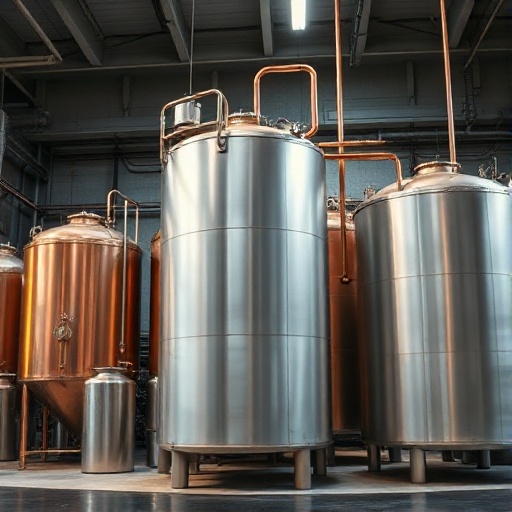
Spun aluminum tanks serve fuel, hydraulic, and chemical storage needs across transportation and industrial sectors. The seamless construction eliminates leak paths common in welded tanks, improving safety and longevity. Lightweight aluminum reduces overall vehicle weight, boosting payload capacity and fuel efficiency. Manufacturers spin end caps and cylindrical bodies to precise diameters that integrate cleanly with valves and fittings.
Corrosion-resistant aluminum alloys protect contents from contamination while resisting external weathering. Spun aluminum tanks undergo pressure testing and surface treatments to meet regulatory standards. Their smooth interiors facilitate cleaning and reduce residue buildup compared with fabricated alternatives.
Advantages in Aerospace and Automotive
Aerospace relies on spun aluminum for nose cones, fuel tanks, and structural housings that demand minimal weight and maximum strength. The process produces parts with excellent dimensional stability under thermal cycling and vibration. Automotive applications include air intake components, wheel covers, and exhaust heat shields where spun aluminum reduces mass and improves thermal performance.
Spin forming allows rapid prototyping of new designs without long lead times for stamping dies. Engineers value the ability to adjust wall thickness locally for optimized stress distribution. Spun aluminum parts consistently meet stringent aerospace tolerances while remaining cost-competitive against machined or composite alternatives.
Spun Aluminum in Consumer Goods
Consumer products benefit from spun aluminum in lighting fixtures, cookware, and decorative hardware. The material's reflective surface enhances light output in lamps and reflectors. Kitchen items such as bowls and strainers gain durability and heat distribution from seamless spun construction. Manufacturers finish these parts with anodizing or powder coating for attractive, long-lasting appearances.
Spun aluminum offers a premium feel at moderate cost, appealing to designers seeking sustainable and recyclable materials. Its formability supports organic shapes that stamped or molded goods cannot replicate easily. Consumers appreciate the lightweight handling and corrosion resistance that extend product life in everyday use.
Benefits of Using Spun Aluminum
Lightweight Properties and Their Importance
Spun aluminum delivers exceptional strength-to-weight ratios that reduce overall assembly mass without compromising structural performance. Lighter components improve fuel economy in vehicles and aircraft while lowering shipping costs for industrial equipment. The low density of aluminum allows designers to increase part size or wall thickness where needed for stiffness while still undercutting the weight of steel or copper equivalents.
Reduced inertia in rotating assemblies translates to lower energy consumption and faster response times. Spun aluminum tanks and housings contribute to regulatory compliance for emissions and efficiency targets. These weight savings compound across supply chains, delivering measurable operational advantages throughout product lifecycles.
Cost-Effectiveness of Spun Aluminum
Metal spinning minimizes material waste because it starts with near-net-shape blanks rather than oversized stock. Tooling costs remain low compared with stamping or casting, enabling economical production of both prototypes and medium volumes. Reduced secondary machining and welding further lower labor and finishing expenses. Spun aluminum parts often require only trimming and surface treatment before assembly.
Long-term durability reduces warranty claims and replacement frequency. Manufacturers achieve competitive pricing while maintaining high quality standards. The process flexibility supports design changes without expensive retooling, protecting margins during product evolution.
Durability and Performance of Spun Products
Spun aluminum exhibits continuous grain structure that resists cracking under cyclic loading and pressure. Seamless construction eliminates potential failure points found in welded or riveted assemblies. Surface treatments such as anodizing or chemical conversion coatings enhance corrosion resistance and wear performance in harsh environments.
Thermal and electrical conductivity remain high after spinning, supporting applications that require heat dissipation or grounding. Fatigue life exceeds that of many stamped alternatives because the forming process aligns material fibers favorably. These performance characteristics ensure spun aluminum products maintain integrity across extended service intervals.
Future Trends in Spun Aluminum Technology
Innovations in Spinning Aluminum Alloys
New aluminum alloys with improved formability and higher strength enable deeper draws and thinner walls in spun aluminum components. Researchers develop heat-treatable grades that retain ductility during spinning yet achieve elevated mechanical properties after aging. Advanced lubricants and ceramic-coated mandrels reduce friction and extend tool life under high-speed operations.
Hybrid spinning techniques combine conventional forming with laser assistance to lower required forces and improve surface quality. These innovations expand the range of geometries achievable in a single operation. Manufacturers gain greater design freedom while maintaining the cost and weight benefits of spun aluminum.
Sustainability and Recycling of Spun Metals
Aluminum recycling consumes only a fraction of the energy required for primary production, making spun aluminum an environmentally responsible choice. Manufacturers increasingly source recycled content for blanks without sacrificing formability or final properties. Closed-loop systems capture machining chips and trim scrap for immediate reprocessing into new stock.
Spun aluminum products at end of life return to the recycling stream with minimal sorting effort. The process itself generates little waste compared with subtractive manufacturing. These practices support corporate sustainability goals and regulatory requirements for material circularity across industries.
Emerging Markets for Spun Aluminum Products
Renewable energy sectors adopt spun aluminum for wind turbine nacelle components and solar tracking housings that demand lightweight, weather-resistant construction. Medical equipment manufacturers explore spun aluminum for imaging enclosures and fluid reservoirs where cleanliness and corrosion resistance are critical. Electric vehicle battery casings and thermal management parts represent growing demand for precision-spun aluminum.
Expansion into architectural and infrastructure applications includes decorative panels and drainage systems that benefit from seamless, durable aluminum construction. Global supply chains continue to recognize the advantages of spun aluminum alloys for both performance and environmental metrics, driving broader adoption in diverse markets.